
Dallas homes lose heat on the coldest nights. Nothing feels worse than waking up to a freezing house when temperatures drop into the 30s. Your heating system works hardest during these cold snaps, which makes it more likely to act up.
Most heating problems have simple fixes. Before calling a heating repair service, you can check a few basic things yourself. Many times, the solution is as easy as flipping a switch or changing a filter.
A repair visit from a Dallas HVAC company costs about $100. That’s money you could save. Homeowners who know their way around basic furnace parts often fix minor problems on their own.
Need immediate help with your heating system? Call Bolton Heating & Air today at (214) 909-7615 for expert assistance.
Watch for these warning signs:
- Banging or whistling from your furnace
- Energy bills that suddenly jump up
- Some rooms feel colder than others
- Your heater never stops running
- The pilot light keeps going out
We’ll show you how to check your system safely and fix common problems. Many “broken” heaters start working again after trying these steps. Did you know that a dead thermostat battery can make it seem like your whole heating system failed? Let’s start there.
Safety Checks Before Troubleshooting
Your furnace needs a quick safety check before you start fixing anything. These simple steps keep you safe and might even solve the problem.
Check your gas supply first. Look at the gas valve near your furnace – the handle should line up with the pipe. If it’s crossed, your furnace can’t get fuel.
Walk to your electrical panel. Find the switch marked “HVAC” or “Furnace.” Sometimes the fix is as simple as flipping a tripped breaker back on.
Your carbon monoxide detector saves lives. Press its test button. If it doesn’t beep, put in fresh batteries right away. No working detector? Don’t touch your furnace until you get one.
Clear the space around your heater. Boxes, paint cans, and old furniture near your furnace create fire hazards. Keep everything at least three feet away.
Smell rotten eggs? Get out of your house fast. That’s natural gas. Don’t touch anything electrical. Call your gas company from outside.
Now that we’ve covered safety, you’re ready to start the real troubleshooting. Most fixes start with checking your thermostat – it controls everything your furnace does.
💡 Pro Tip: Not comfortable performing these safety checks yourself? Schedule a professional inspection today. Call (214) 909-7615 or book online
Thermostat Issues
Thermostats trick many Dallas homeowners. A faulty thermostat makes perfectly good heating systems seem broken.
Digital thermostats need power to work. Pop off the cover and look for a low battery warning. Most use AA or AAA batteries that need changing yearly. Dead batteries mean no heat.
Check your temperature settings. Kids and cleaning crews sometimes hit buttons by accident. Your thermostat should show:
- “Heat” mode, not “Cool” or “Off”
- A target temperature higher than the room’s current temp
- The fan set to “Auto” rather than “On”
Blank display screens point to bigger problems. Try these quick fixes:
- Replace the batteries
- Check for loose wires behind the thermostat
- Look for a tripped circuit breaker
- Clean any dust inside the cover
Location matters too. Your thermostat works best away from:
- Sunny windows
- Hot lamps
- Cold drafts
- Outside walls
Still having trouble? Write down any error codes you see flashing. These codes help identify specific problems.
Some older thermostats use a tiny bubble level. If your thermostat isn’t perfectly level, it might give wrong readings. Use the bubble to check.
Airflow Problems
Poor airflow stops heat from reaching your rooms. Dallas homes often develop these issues right when winter hits.
Dirty air filters block warm air. Most Dallas homeowners forget this $10 part until their heat fails. Check your filter – if it’s gray or you can’t see light through it, replace it now. Clean filters save money on heating bills too.
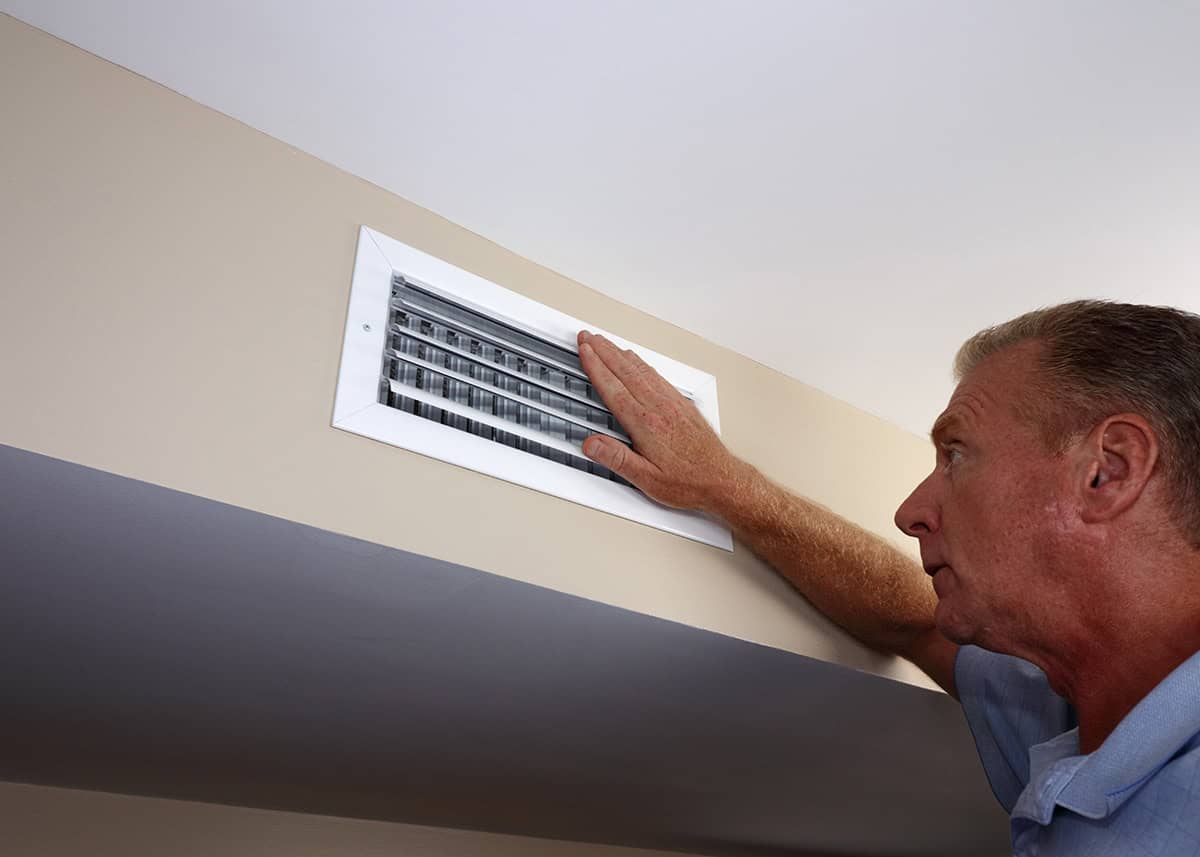
Walk through your house and look at all vents. Open vents let heat flow freely. Blocked vents make your furnace work harder:
- Move furniture away from vents
- Pick up rugs covering floor vents
- Open all vent louvers fully
- Check for toys or debris inside
Return air grilles need space to breathe. These large vents pull air back to your furnace. Clean them with your vacuum’s brush. Keep the area in front clear.
Your outdoor unit needs attention too. Leaves, grass, and dirt pile up around it. Sweep away debris and trim back bushes. Give it two feet of clear space on all sides.
Listen to your system run. A whistling sound means air squeezes through a blockage somewhere. Rumbling noises point to blower problems.
Feel each vent while your heat runs. Weak airflow from some vents but not others? You might have duct issues.
Want to ensure optimal airflow year-round? Ask about our annual maintenance plan – members get priority scheduling and 10% off all services. Call (214) 909-7615 to learn more.
Heat Cycling Issues
Your furnace turns on and off too much. This constant cycling wears out parts fast and drives up your heating bills.
Short cycling means your furnace runs for two minutes or less. A properly sized system should run for 10-15 minutes each time. Quick cycles happen because:
- Oversized furnaces heat too fast
- Dirty flame sensors shut down the burners
- Clogged filters make the system overheat
- Bad thermostats read wrong temperatures
Watch your furnace through one cycle. Count the minutes it runs. Note if it:
- Starts up smoothly
- Makes steady heat
- Shuts down normally
- Waits several minutes before restarting
High utility bills follow bad cycling patterns. Your system wastes energy starting up and shutting down. Each cycle uses extra gas and electricity.
Dallas heating systems work best with steady runs. Long cycles keep your home’s temperature even. They also:
- Remove more humidity
- Use less energy
- Create less wear on parts
- Last longer overall
Clean your flame sensor with fine sandpaper if cycles stay short. This metal rod tells your furnace when gas is burning right.
A furnace that never stops running signals different problems. Check your thermostat settings and insulation before calling for help.
No Heat Production
Your furnace runs but blows cold air. This frustrates many Dallas homeowners during winter cold snaps.
Check your pilot light first. Look through the small window on your furnace. You should see a steady blue flame. If it’s out:
- Find the gas control knob
- Turn it to “Off” and wait five minutes
- Switch it to “Pilot”
- Hold down the reset button
- Use the igniter or a long lighter
- Keep holding the button 30 seconds
- Release slowly
Modern furnaces use electronic ignition. Watch for an orange glow when your system starts. No glow means no spark to light the gas.
Your gas control valve should point in line with the pipe. A crossed handle stops gas flow. Don’t force it – turn it gently.
Look inside the blower door. Most furnaces show status codes with a small light:
- Steady light means normal operation
- One flash suggests ignition problems
- Two flashes point to system lockout
- Three or more flashes need professional help
Feel the air coming from your vents. Cool air that slowly warms up is normal at startup. Air that stays cold means your burners aren’t lighting.
Heat pumps work differently. They make less heat than gas furnaces. Air from vents might feel cool but still heats your home.
Emergency no-heat situation? Don’t wait in the cold. Our technicians are available. Call (214) 909-7615 for same-day service.
Uneven Heating
Dallas homes often heat unevenly. Some rooms feel cozy while others stay cold. This happens more in two-story houses and homes with long duct runs.
Hot air rises. Upstairs rooms typically run 5-10 degrees warmer than downstairs. Balance your system by:
- Adjusting upstairs vents in winter
- Setting different zones if you have them
- Using ceiling fans on low to push heat down
- Keeping interior doors open
Cold spots near windows signal bigger issues:
- Drafty windows leak heat
- Old insulation lets cold in
- Ductwork might have come loose
- Vents could be blocked
Check your air returns. Each major room needs one. Closed doors block return airflow, creating pressure differences that stop heat from flowing right.
Room orientation affects temperature too. South-facing rooms get natural heat from sunlight. North rooms stay cooler. Your system should adjust for this.
Most Dallas ductwork runs through attics. Hot attics in summer and cold ones in winter affect duct performance. Look for:
- Disconnected sections
- Crushed flexible ducts
- Missing insulation
- Holes or tears
Seal gaps around windows and doors. Cold drafts fight against your heating system. Weather stripping and caulk often fix cold spots fast.
When to Call a Professional
Some heating problems need expert help. Know the difference between DIY fixes and serious issues.
Call a pro right away if you notice:
- Gas smells anywhere in your house
- Loud banging when the furnace starts
- Yellow pilot light flames
- Burning or electrical smells
- Soot around vents or furnace
- Any sign of water leaks
Cracked heat exchangers risk your safety. These hidden problems let carbon monoxide leak into your home. Signs include:
- Headaches and dizziness
- Strange furnace noises
- Rust inside your furnace
- Higher than normal gas bills
Complex electrical problems need professional tools and training. Don’t risk shocks by touching wiring or circuit boards.
High-efficiency furnaces have sensitive parts. Their computers and sensors need special knowledge to fix right.
Age matters too. Furnaces over 15 years old often need an expert’s eye. They have different parts than newer models.
Preventive Maintenance Tips
Regular furnace maintenance prevents most heating problems. Simple steps save money and extend your system’s life.
Change your air filter monthly in winter. A clean filter:
- Cuts energy costs
- Protects expensive parts
- Improves air quality
- Prevents overheating
- Keeps warranty valid
Schedule yearly tune-ups in fall. Professional checks catch problems early. Your technician will:
- Clean burners
- Test safety controls
- Check electrical parts
- Measure gas pressure
- Inspect heat exchanger
Prepare your system for winter:
- Clear leaves from outdoor units
- Test your thermostat
- Clean all vents and returns
- Check carbon monoxide detector
- Store items away from furnace
Track your energy bills. Sudden increases warn of furnace problems. Keep records of:
- Monthly gas use
- Electric costs
- Filter changes
- Repair visits
- Strange noises
Vacuum dust from vents and returns every month. Dust buildup makes your system work harder.
Keep your furnace room clean. Good airflow around your unit helps it run better.
These steps stop most winter heating problems before they start.
Take Control of Your Dallas Home’s Heating
Need expert help? Bolton Heating & Air offer fall tune-ups. Schedule yours before the winter rush.
Don’t wait until your system fails – protect your comfort and your wallet with proper maintenance. Contact us today to learn how we can help keep your home warm and efficient all winter long.
Save money and stay warm. Your furnace will thank you.