
It’s a cold morning in Dallas. You turn on your heater, expecting warm air. Instead, you get a blast of cold air. Not fun.
We get it. Nothing’s worse than a heater that won’t heat, especially during those freezing DFW winter days. One day it’s 70 degrees, and the next day temperatures drop below freezing. That’s just life in North Texas. But your home should stay warm no matter what the weather does outside.
Here at Bolton Heating & Air, we’ve seen this problem many times. Sometimes it’s a quick fix you can handle yourself. Other times, you might need a professional to take a look. Either way, discovering why your heater is blowing cold air is the first step to fixing it.
What’s Wrong With My Heater? Start Here
Thermostat Issues
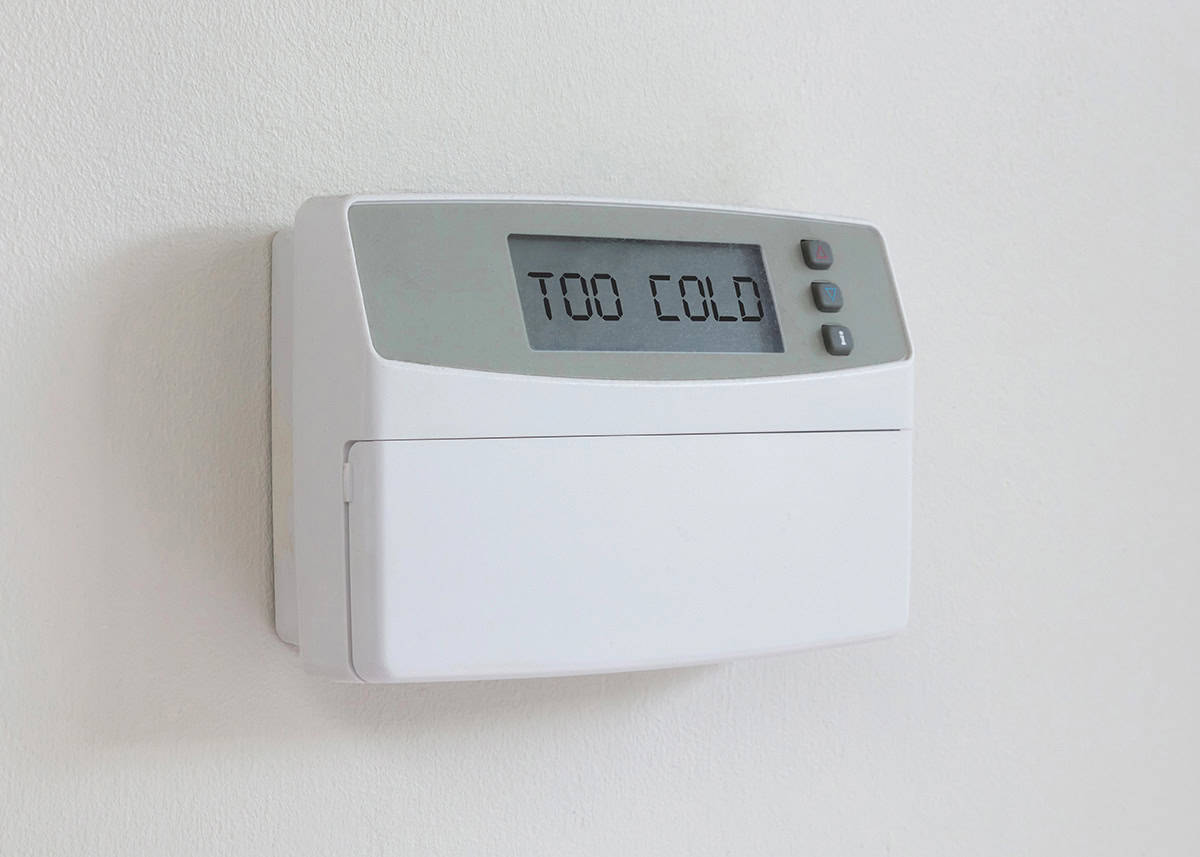
Sometimes the simplest things cause the biggest headaches. Your thermostat might be the reason your heater’s blowing cold air. Maybe someone accidentally switched it to “COOL” instead of “HEAT.” It happens more often than you’d think! Or perhaps the setting is on “ON” instead of “AUTO,” which means your fan runs constantly – even when the furnace isn’t heating.
Dead batteries in your thermostat can cause problems too. When batteries die, your thermostat can’t tell your heater what to do. If your thermostat screen looks dim or blank, try putting in fresh batteries before calling for service.
Air Filter Problems
A dirty air filter is like trying to breathe through a thick blanket. Your heater needs good airflow to work properly. When dust and dirt clog your filter, your system struggles to push warm air through your home.
How do you know if your filter’s dirty? Take it out and hold it up to the light. If you can’t see light through it, it’s time for a new one. Here in the Dallas area, where construction and seasonal allergies create extra dust, you should check your filter monthly and change it every 1-3 months.
A clogged filter doesn’t just make your heater blow cold air – it also:
- Makes your system work harder than it should
- Increases your energy bills
- Can cause your system to break down sooner
- Reduces your indoor air quality
At Bolton Heating & Air, we recommend writing the date on your new filter when you install it. This simple trick helps you remember when it’s time for a change. Your heater will thank you, and so will your wallet.
Why Won’t My Heater Start Working?
Start-Up Delays
If you’ve just turned on your heat, don’t panic if it’s not warm right away. Most heating systems need a few minutes to warm up – kind of like warming up your car on a cold morning. Your system has to heat up the furnace and ductwork before pushing warm air into your rooms.
But how long is too long to wait? Generally, your home should start feeling warmer within 10-15 minutes. If you’re still getting cold air after 20 minutes, something might be wrong.
What you can check:
- Make sure all your vents are open and unblocked
- Listen for your furnace running
- Check if warm air is coming from some vents but not others
Pilot Light and Ignition Problems
Many DFW homes have gas furnaces, which means they either have a pilot light or an electronic ignition system. Both can cause problems when they’re not working right.
If you have an older furnace with a standing pilot light, it might go out due to:
- A dirty flame sensor
- A broken thermocouple
- Drafts near your furnace
- Gas supply issues
Newer furnaces use electronic ignition systems. While these are more reliable, they can still have problems. If your furnace tries to start but gives up after a few attempts, you might hear clicking sounds followed by silence. This usually means there’s an ignition problem.
Important: If you smell gas or hear unusual noises, turn off your system immediately and call Bolton Heating & Air. Gas problems can be dangerous, and it’s better to be safe than sorry.
When Your System Needs TLC: Maintenance Issues
Dirty Components
Just like your car needs regular oil changes, your heating system needs regular cleaning. Over time, dust and dirt build up on crucial parts. One of the biggest troublemakers is a dirty flame sensor. This small but important part tells your furnace if the gas is lit. When it gets coated with grime, it can’t do its job, and your furnace won’t stay running.
Your burners can get dirty too. When this happens, you might notice:
- Yellow or orange flames instead of blue
- Uneven heating in your home
- Strange smells when the heat runs
- Higher energy bills
Think of it like trying to cook on a dirty stove – it just doesn’t work as well.
Airflow Problems
Good airflow is crucial for your heating system. When air can’t move freely, your system struggles. Here in Dallas, we see lots of airflow problems caused by:
Blocked Vents: Check if furniture, rugs, or curtains are covering your vents. It’s an easy fix that makes a big difference.
Duct Issues: Over time, ducts can get crushed, disconnected, or develop leaks. If some rooms are cold while others are warm, leaky ducts might be the culprit.
Blower Motor Troubles: Your blower motor is like the heart of your system – it pumps warm air throughout your home. When it starts having problems, you might hear unusual noises or notice weak airflow from your vents.
Pro Tip: The best way to prevent these issues is with regular maintenance. At Bolton Heating & Air, we recommend a professional tune-up before winter hits. It’s much better to fix small problems before they become big ones.
When to Call an Expert
Some heating problems need professional help. Know these warning signs that it’s time to call Bolton Heating & Air:
- Your heater makes loud banging or screeching noises
- You smell gas or burning odors
- Your carbon monoxide detector goes off
- Your energy bills suddenly spike
- Your system keeps turning off and on quickly
- You’ve tried basic fixes, but nothing works
These issues often mean there’s a serious problem that needs expert attention. Waiting too long could lead to bigger, more expensive repairs or even unsafe conditions in your home.
Preventive Steps You Can Take Smart
Homeowners know that prevention beats repairs every time. Here’s how to keep your system running smoothly:
Change your air filters regularly. Set a reminder on your phone – it’s that important.
Keep your outside unit clean. Remove leaves, grass clippings, and debris that can block airflow.
Schedule seasonal tune-ups. Just like you get regular oil changes for your car, your heating system needs regular checkups. The best time? Early fall, before the DFW winter hits.
A professional tune-up includes:
- Testing safety controls
- Checking electrical connections
- Cleaning key components
- Inspecting for wear and tear
- Calibrating your thermostat
Remember: Regular maintenance costs less than emergency repairs. Plus, it helps your system last longer and run more efficiently.
What Makes DFW Different: Local Heating Challenges
Local Weather Impact Living in Dallas-Fort Worth means dealing with wild weather swings. One day it’s shorts weather, the next day you need a heavy coat. These temperature swings put extra stress on your heating system.
Our local weather challenges include:
- Sudden cold fronts that drop temperatures 30+ degrees overnight
- Humid days followed by dry cold spells
- Ice storms that can affect your outdoor heating unit
- Long stretches where your system switches between heating and cooling
Your heating system needs to handle these quick changes. That’s why it’s crucial to keep it in top shape.
Common DFW Heating Systems Most North Texas homes use one of these heating systems:
Gas Furnaces: The most common choice in the DFW metroplex. They work well in our climate and handle cold snaps efficiently. But they need regular safety checks, especially for carbon monoxide.
Heat Pumps: Growing more popular in our area. They work great during mild winters but might struggle during extreme cold. If yours has trouble keeping up during cold snaps, that’s normal – just make sure it’s properly maintained.
Electric Heating: Some DFW homes use electric furnaces or baseboards. While they’re safe and reliable, they often cost more to run than gas systems. But they might be your best choice if you don’t have gas service.
Pro Tip: Not sure what type of system you have? Bolton Heating & Air can help you understand your system and keep it running at its best, no matter what kind it is.
Don’t Let Cold Air Problems Leave You Freezing
Your home’s comfort shouldn’t be left to chance. At Bolton Heating & Air, we’re ready to help solve your heating problems fast. Our experienced technicians serve Forney and surrounding cities, offering same-day service when you need it most.
Call us today at (214) 909-7615 for:
- Emergency heating repairs
- Professional system check-ups
- Free estimates on new heating systems
- Seasonal maintenance plans