

Ever woken up on a chilly North Texas morning, looked out the window, and seen your heat pump looking like a giant block of ice? It’s enough to make any homeowner panic. You’re probably wondering, “Is it supposed to look like a popsicle?” or “Is my heating bill about to skyrocket?”
In the DFW metroplex, our winters are a weird mix of humid air and sudden freezes—the perfect recipe for a frozen unit. Here is the lowdown on why your heat pump is icing up and how to handle it like a pro.
The “Good” Ice vs. The “Bad” Ice
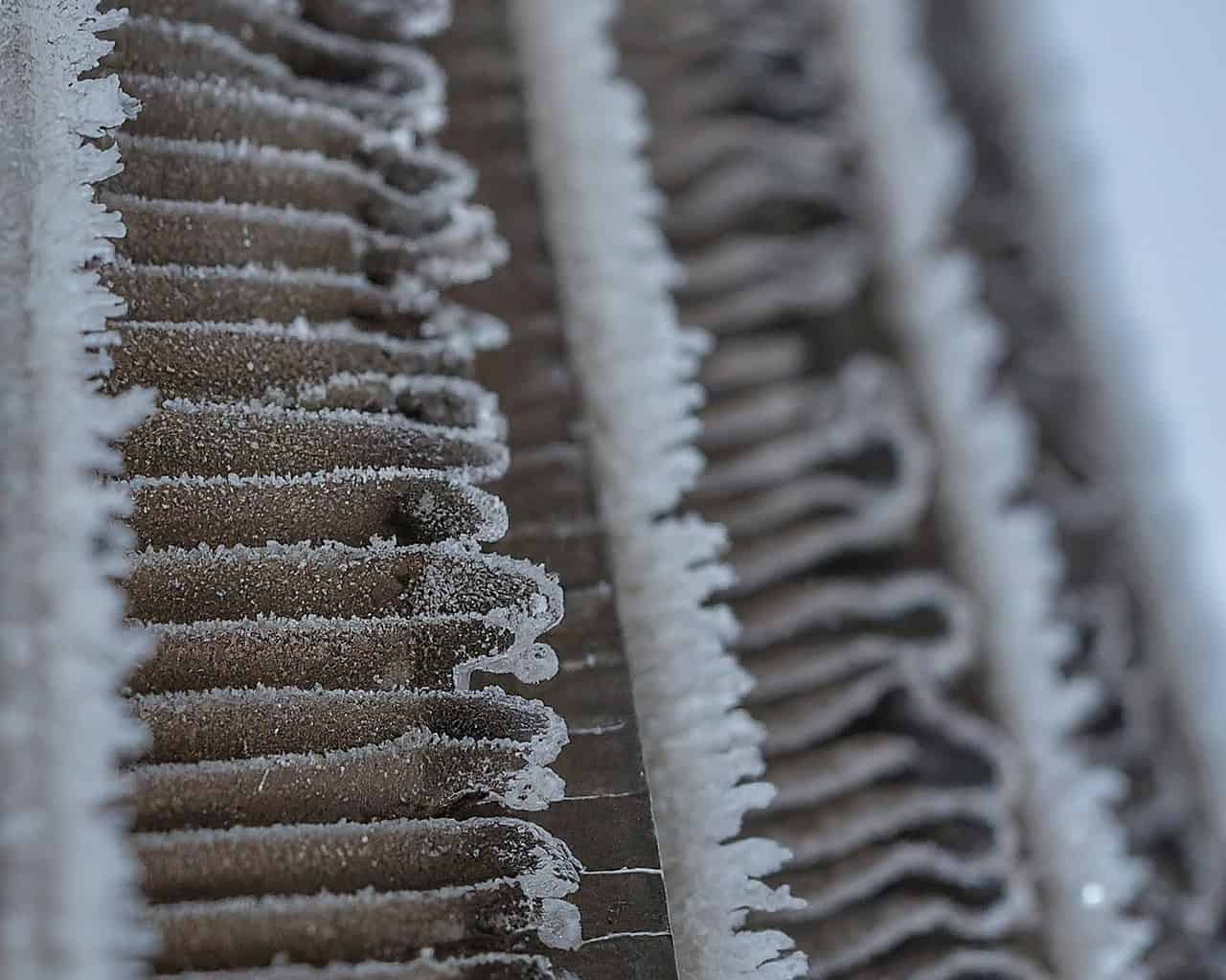
First off, don’t freak out if you see a little white frost on the coils. That’s actually normal. When it’s cold outside, your heat pump acts like a magnet for moisture. That moisture freezes on the outdoor coils.
To fix this, your system has a Defrost Cycle. It basically runs in reverse for a few minutes to melt that frost. You might even see steam rising or hear a weird “whoosh” sound. That’s just the machine doing its job.
The Problem: If that ice starts looking like a thick, solid glacier or stays there for hours, the defrost cycle has failed. That is “Bad Ice,” and it’s time to take action.
Why Is My Heat Pump Freezing Up?
Most of the time, it boils down to three main culprits: Airflow, The “Brain” (Defrost Board), or Refrigerant.
- It Can’t “Breathe” (Airflow Issues): Your heat pump needs to move a lot of air. If air is blocked, the coils get too cold. This is often caused by dirty filters or DFW leaves and “cottonwood fuzz” clogging the fins.
- The Defrost Cycle is Broken: If the Defrost Control Board or the Sensors fail, the system never knows it needs to melt the ice.
- Refrigerant Problems: If you have a leak, the pressure drops. Low pressure leads to super-cold coils that can turn into an ice cube even on a 40–45°F day if there is enough moisture in the air.
The “Garden Hose” Thaw: A DIY Quick Fix
If you’re staring at a frozen unit and the house is getting chilly, using a garden hose is the fastest way to get things moving. Just follow these steps:
- Kill the Power: Switch the thermostat to “Emergency Heat.” This is safer than running an ice-entombed unit and keeps you warm using indoor electric strips. Flip the outdoor disconnect switch to “Off” for extra safety.
- The Low-Pressure Rinse: Use a garden hose (never a pressure washer!). Use ambient or lukewarm water. Avoid very hot water, as the extreme temperature difference can cause “thermal shock” and crack your cold copper coils.
- Aim Carefully: Target the ice on the coil faces and the cabinet. Avoid spraying directly into the control compartment or the electrical panel box.
- Clear the Debris: Once the ice melts, check for wet leaves or debris plastered against the coils. Gently brush them away.
- The Test: Turn the power back on. If the ice returns immediately, you have a mechanical failure.
Warning: Never use a screwdriver or ice pick to chip away ice! Those copper coils are fragile. You’ll turn a simple repair into an expensive replacement.
When to Call the Pros: Your Tech Checklist
If the “hose trick” didn’t work, you’ll need a technician to look at the frozen heat pump outdoor unit repair. When they arrive, ask them to check these specific components:
| Component | What they should check |
| Defrost Board | Can they trigger a forced defrost? |
| Defrost Thermistor | Is the resistance within factory specs? |
| Reversing Valve | Is the solenoid shifting the unit into defrost mode? |
| Refrigerant Level | Are the subcooling and superheat levels correct? |
| The Pad | Is the unit level enough for water to drain out? |
Don’t Let the DFW Dampness Freeze You Out
Because our North Texas “black gumbo” soil shifts constantly, a tilted unit is much more likely to turn into a frozen unit because melt-water can’t escape. If you’ve cleaned your filters and cleared the leaves but your unit is still an igloo, it’s time to call in the experts.
Is your heat pump struggling to keep up with the Texas chill? Don’t stay out in the cold—contact the team at Bolton Heating & Air. We’ll get your defrost cycle back on track and ensure your home stays cozy all winter long.