

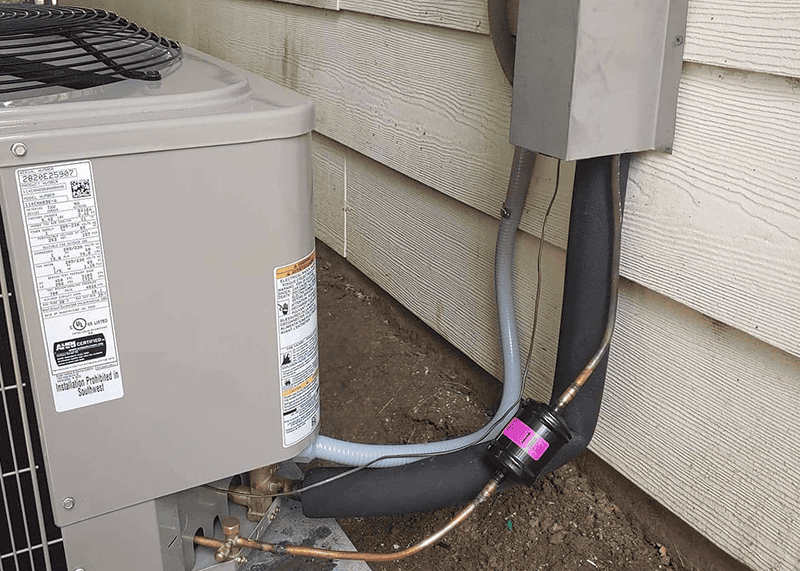
Pests can wreck your HVAC system. Rodents, birds, bugs, and raccoons love to make homes in your heating and cooling equipment. They chew wires, tear up insulation, and build nests that block airflow. This creates fire hazards and makes your system work harder than it should.
The good news? You can stop them with the right steps. Installing screens, sealing holes, and getting regular checkups will protect your system. Catching pest problems early saves you from expensive repairs later.
The Hidden Dangers of Rodents to Your HVAC System
Most homeowners think about changing filters and scheduling tune-ups. But they forget about one of the biggest threats to their HVAC system: rodents.
Mice, rats, squirrels, and raccoons love HVAC equipment, especially when it gets cold outside. They’re looking for warm places to hide and raise their families. These little invaders cause billions of dollars in damage every year by chewing through important parts.
What happens when rodents move in? They destroy everything. Electrical wires get chewed up, refrigerant lines get damaged, and ductwork gets torn.
Rodents also ruin insulation, which leads to moisture problems and mold growth. Their nesting materials can catch fire and block air from flowing properly. All this extra strain shortens your system’s life and might force you to buy a new one years early.
If you think rodents are in your system, call a professional right away. Waiting only makes the damage worse.
Birds and Their Impact on Air Conditioning Units
Birds see your HVAC system as the perfect place to build a nest. They create serious problems that hurt your equipment and make your indoor air unhealthy.
When birds build nests, they use twigs and debris that block important parts. This makes your system work harder and uses more energy. Bird droppings are acidic and eat away at metal parts, creating weak spots where water can get in.
Birds also peck at and move insulation around. This makes your system less efficient and leaves sensitive parts exposed to hot and cold temperatures. The worst part? Birds carry dangerous germs like bacteria and histoplasmosis spores that get blown through your home.
To keep birds out, install protective screens and check your system regularly. Use bird deterrents around your outdoor unit. If you find nests, have them removed by a professional right away to protect your system and your family’s health.
How Insects Infiltrate and Damage HVAC Equipment
Bugs love HVAC systems because they’re dark, humid, and quiet. Cockroaches, ants, spiders, and dust mites crawl through ductwork gaps, vents, and drain lines to set up colonies.
These tiny invaders cause big problems. Ant colonies can damage wiring and block airflow. Cockroaches spread allergens throughout your home through the ventilation system. When bugs die and pile up, they make parts work poorly and hurt your indoor air quality.
Stopping bugs takes good maintenance. Put fine mesh screens on outside vents. Seal all ductwork properly. Have a professional inspect your system regularly.
Keep the area around your outdoor unit clean too. Fix any moisture problems quickly, since bugs love wet areas.
Raccoon Invasions: Major Threats to HVAC Performance
Raccoons are tough and determined. They cause some of the worst damage to HVAC systems by forcing their way in and making themselves at home.
These strong animals tear apart ductwork, rip up air vents, and destroy electrical parts. This leads to system breakdowns and fire dangers. When raccoons nest in your system, they ruin insulation and leave behind waste that carries dangerous germs like Baylisascaris and Salmonella.
Raccoon damage hurts your system’s performance badly. Air can’t flow right, your energy bills go up, and equipment wears out fast. To keep raccoons out, inspect your system regularly and fix any openings immediately. Install heavy metal barriers over weak spots.
If raccoons have already moved in, you’ll need professional wildlife control to remove them safely and keep them from coming back.
Small Mammals and Their Effects on Outdoor Units
Small animals cause different types of damage to outdoor HVAC units. Mice build nests inside parts, which blocks airflow badly. Squirrels gnaw on electrical wires and insulation, causing system failures and fire risks.
Cold weather makes this worse because rodents really want to find warm, sheltered spots. When they move into your unit, they block ventilation, mess up electrical systems, and make parts break down faster.
Dogs and other mammals add to the problem with their acidic urine, which eats away at copper coils and aluminum fins. All this damage makes your system less efficient, increases your energy bills, and makes it fail sooner than it should.
The moisture from condensation and the enclosed spaces in HVAC units make them perfect targets for small animal invasions.
Essential Steps to Protect Your HVAC From Pest Damage
Keeping pests out of your HVAC system takes a complete plan with several protective steps.
Start with good pest-proofing. Put aluminum mesh screens on outside vents. Seal any gaps in ductwork. Fill holes around pipes and wires with proper sealants. Remember, rodents and bugs can squeeze through holes as small as a quarter, so be thorough.
Regular maintenance is key. Clean your outdoor unit often. Remove any standing water. Keep plants trimmed back from your equipment.
Create a clear space around your unit by removing debris and cutting back bushes. This takes away places where pests like to hide and live.
Have pest control professionals inspect and treat your system regularly, especially in areas where pests are common.
Control moisture too. Fix water problems quickly. Make sure water drains properly. Keep vents and ducts dry. These steps greatly reduce pest problems while keeping your system running efficiently.
Protect Your Investment with Bolton Heating & Air
Don’t let pests destroy your HVAC system and drive up your energy bills. The cost of prevention is much less than replacing damaged equipment or dealing with emergency repairs.
Bolton Heating & Air has been protecting Forney, TX homes and businesses from pest damage for years. Our experienced technicians know exactly what to look for and how to pest-proof your system properly. We’ll inspect your equipment, seal entry points, install protective screens, and create a maintenance plan that keeps pests out for good.
Ready to protect your HVAC investment? Call Bolton Heating & Air today at (214) 909-7615 or fill out this form to schedule your pest prevention inspection. Your system—and your wallet—will thank you.