

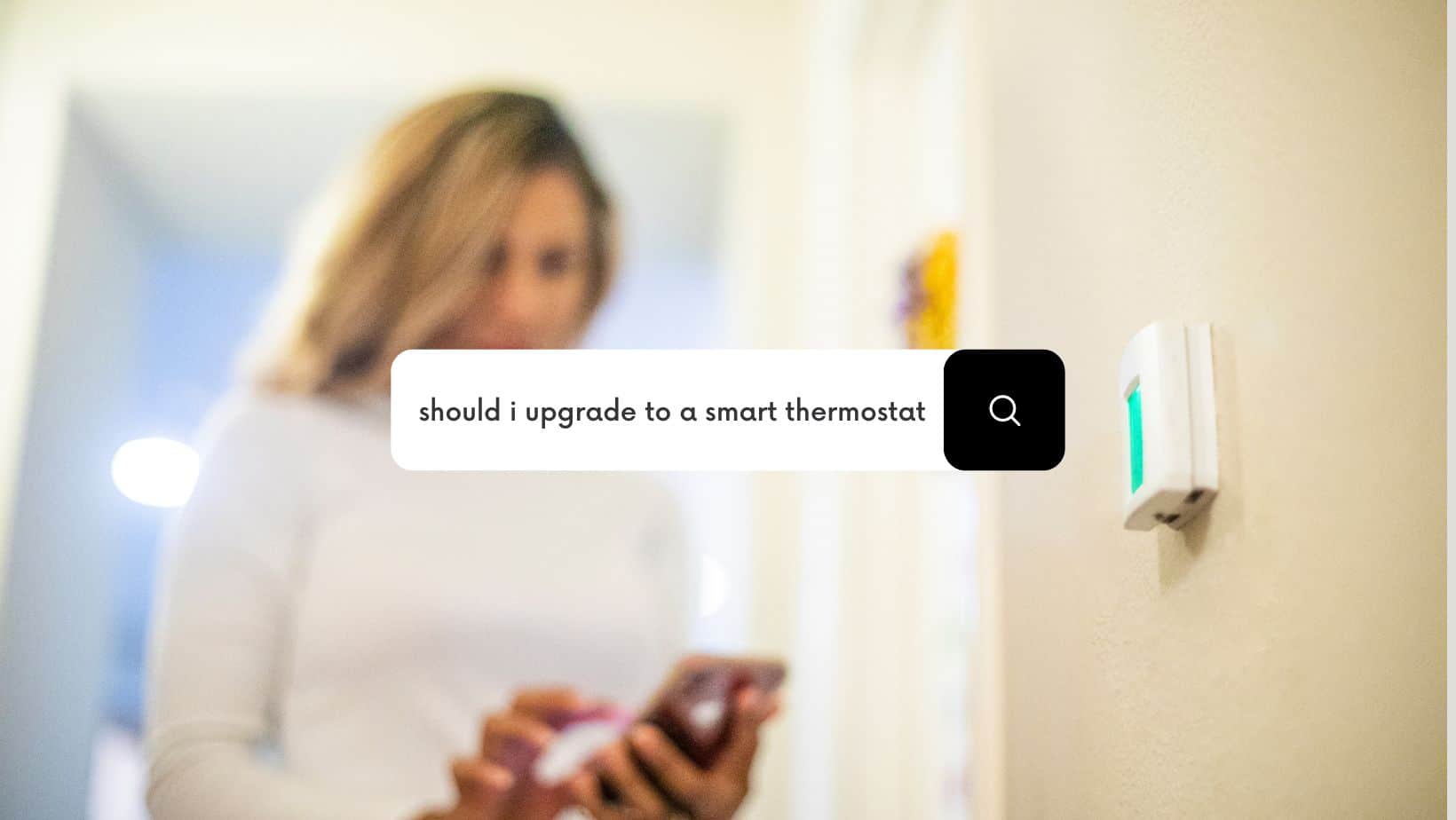
American families spend over $2,000 annually on energy bills. Nearly half of this cost goes to heating and cooling. Smart thermostats offer a simple solution to reduce these expenses while improving home comfort.
These advanced devices replace traditional thermostats with Wi-Fi connectivity, smartphone control, and automatic optimization features. They learn your schedule and adjust temperatures accordingly, eliminating energy waste from cooling empty homes.
What Makes Smart Thermostats Different
Smart thermostats function as computerized control centers for your HVAC system. Unlike traditional models that only respond to manual adjustments, smart thermostats actively manage your home’s climate.
Key Differences from Traditional Thermostats:
Connectivity: Smart thermostats connect to your home Wi-Fi network, enabling remote control through smartphone apps.
Learning Capability: These devices observe your daily routines and automatically create efficient heating and cooling schedules.
Real-Time Adjustments: Smart thermostats monitor weather conditions and occupancy to optimize energy use throughout the day.
Detailed Reporting: Advanced models provide comprehensive energy usage reports with personalized saving recommendations.
How Smart Thermostats Save Energy and Money
Automatic Temperature Scheduling Smart thermostats eliminate human error in temperature management. They automatically adjust settings when you leave home and restore comfort before you return.
Occupancy Detection Built-in sensors detect when rooms are occupied. The system reduces heating or cooling in unused areas, preventing energy waste.
Weather Response These devices access local weather data to pre-adjust your home’s temperature. On hot days, the system may start cooling earlier to maintain comfort efficiently.
Energy Usage Analytics Detailed reports show exactly when and how energy is consumed. Many homeowners discover usage patterns they never knew existed.
Studies show smart thermostats typically reduce energy bills by 10-15%. For a family spending $1,000 annually on cooling, this translates to $100-150 in yearly savings.
Smart Thermostat Compatibility with AC Systems
Central Air Conditioning Most smart thermostats work seamlessly with central AC systems. These require a common wire (C-wire) for power. If your home lacks this wire, professional installation can add the necessary wiring.
Heat Pump Systems Smart thermostats excel with heat pump systems. Advanced models include heat pump balance controls that optimize switching between heating and cooling modes.
Ductless Mini-Split Systems Compatibility varies with mini-split systems. Some manufacturers offer smart controls specifically designed for their ductless units. Professional assessment determines the best options for your specific system.
Older HVAC Systems Systems installed after 1975 typically work with smart thermostats. The key requirement is low-voltage control wiring. A professional can evaluate your system’s compatibility.
Top Energy-Saving Features
Geofencing Technology Your smartphone’s GPS coordinates trigger automatic temperature adjustments. When you leave a preset area around your home, the thermostat switches to energy-saving mode. It restores normal settings when you return.
Smart Scheduling Advanced algorithms analyze your behavior patterns. The thermostat creates custom schedules based on when you typically leave and return home. These schedules automatically adjust for weekends and holidays.
Multi-Zone Control Compatible systems can control different areas of your home independently. You can cool occupied bedrooms at night while reducing conditioning in unused living areas.
Humidity Management Some models monitor and control humidity levels. Proper humidity control makes you feel comfortable at higher temperatures, reducing cooling costs.
Integration with Smart Home Systems Smart thermostats can coordinate with other connected devices. They work with smart blinds to manage solar heat gain and smart lighting systems to reduce internal heat generation.
Choosing the Right Smart Thermostat
System Compatibility Check Before purchasing, verify compatibility with your HVAC system. Different thermostats support different system types. Professional consultation ensures proper matching.
Essential Features to Consider
- Wi-Fi connectivity for remote control
- Learning algorithms for automatic scheduling
- Energy usage reporting
- Smartphone app with intuitive interface
- Voice control compatibility (Alexa, Google, Siri)
Price Range and Value Basic smart thermostats start around $100. Premium models with advanced features cost $200-300. Calculate potential energy savings to determine return on investment.
Brand Reliability Choose established manufacturers with good customer support. Look for models with regular software updates and strong warranty coverage.
Professional Installation vs DIY
DIY Installation Considerations Installation requires basic electrical knowledge and comfort working with HVAC wiring. Most manufacturers provide detailed instructions. Simple installations typically take 30-60 minutes.
When Professional Installation is Recommended
- Complex HVAC systems with multiple zones
- Homes without existing C-wire connections
- Older systems requiring compatibility modifications
- Homeowners uncomfortable with electrical work
Installation Process Overview Professional installation includes system compatibility verification, proper wire connections, optimal thermostat placement, complete system testing, and initial setup configuration.
Maximizing Smart Thermostat Benefits
Initial Setup Best Practices Spend time configuring your preferences during initial setup. Input accurate information about your home size, insulation, and typical schedule. The more accurate your initial data, the better the thermostat performs.
Regular Maintenance Integration Smart thermostats work best with well-maintained HVAC systems. Regular professional maintenance ensures optimal performance and maximum energy savings.
Monitoring and Adjusting Review energy reports monthly to identify additional saving opportunities. Many thermostats provide personalized recommendations based on your usage patterns.
Professional HVAC Services for Optimal Performance
Expert Installation Services Professional installation ensures your smart thermostat integrates perfectly with your existing system. Technicians optimize placement and configure advanced features for maximum efficiency.
Ongoing AC Maintenance Regular HVAC maintenance maximizes smart thermostat benefits. Clean systems respond better to automated controls and achieve greater energy savings.
System Optimization Professional technicians can recommend additional improvements to enhance smart thermostat performance, such as ductwork sealing or system upgrades.
Start Saving with Smart Thermostat Technology
Smart thermostats represent a practical investment in home comfort and energy efficiency. These devices pay for themselves through reduced energy bills while providing convenient climate control.
The technology continues advancing with new features and better integration capabilities. Installing a smart thermostat now prepares your home for future smart home developments.
Ready to upgrade your home’s climate control? Bolton Heating & Air provides expert smart thermostat installation and HVAC maintenance services. Our experienced technicians ensure proper installation and optimal performance.
Contact Bolton Heating & Air today to discuss smart thermostat options for your home. We’ll help you choose the right model and provide professional installation for maximum energy savings and comfort.
Professional HVAC services in Forney, Texas and surrounding areas.