

Did you know that homes can lose almost half of their heating and cooling energy if they’re not well insulated? This is a big deal in Dallas, where it gets very hot in summer and sometimes quite cold in winter. Good insulation helps keep your home comfortable and saves you money.
Many people in Dallas focus on their heating and cooling systems to stay comfortable. But there’s something else that’s just as important: insulation. At Bolton Heating & Air, we’ve seen how good insulation can make homes much more comfortable and help people save a lot on their energy bills.
You might be wondering:
- What exactly is insulation?
- How does it keep your home warm in winter and cool in summer?
- How can it help Dallas homeowners like you?
In this guide, we’ll explain:
- How insulation works
- Different types of insulation
- Where to put insulation in your home
- Other ways insulation helps besides controlling temperature
- How to check if your home needs better insulation
- How much it costs and how much you can save
Whether you’re building a new home, fixing up an old one, or just want to save on energy bills, understanding insulation is important. It can help you have a more comfortable home and lower energy bills. Let’s learn how good insulation can help you deal with Dallas’s hot summers and cool winters.
Understanding Home Insulation
Think of insulation as a big, warm blanket for your house. It keeps the heat inside when it’s cold out. It also keeps the cool air in when it’s hot outside.
How Insulation Works
Insulation slows down heat flow. Heat always moves from warm areas to cool areas. In winter, it tries to escape your warm house. In summer, it wants to sneak into your cool home. Good insulation makes it harder for heat to move around.
Here’s a simple way to understand it:
- Imagine holding a hot cup of coffee.
- Your hand gets warm quickly, right?
- Now imagine holding that coffee in a foam cup.
- Your hand stays cooler because the foam slows down the heat.
That’s exactly what insulation does for your house!
R-value: A Measure of Insulation Power
You might hear people talk about “R-value” when discussing insulation. Don’t worry, it’s not complicated.
R-value tells you how well insulation resists heat flow. The higher the R-value, the better the insulation works. It’s that simple.
In Dallas, we need different R-values for different parts of our homes:
- Attics usually need R30 to R60
- Walls typically need R13 to R21
- Floors often need R11 to R28
These numbers might seem confusing. But don’t worry! A good insulation pro can help you choose the right R-values for your home.
Why Good Insulation Matters
Proper insulation does more than keep you comfy. It can:
- Lower your energy bills
- Make your heating and cooling systems work better
- Reduce wear on your HVAC equipment
- Help the environment by using less energy
- Even make your home quieter!
Good insulation is like a superhero for your home. It works hard all year round to keep you comfortable and save you money.
In the next section, we’ll look at different types of insulation. You’ll learn which ones work best in different parts of your Dallas home.
Types of Insulation
Not all insulation is the same. There are several types, each with its own strengths. Let’s explore the most common ones you’ll find in Dallas homes.
Fiberglass Insulation
This is the pink fluffy stuff you might picture when you think of insulation. It’s very popular because it’s affordable and works well.
There are two main types of fiberglass insulation:
- Batts: These are big, soft blankets of insulation. They’re easy to install between wall studs or attic rafters.
- Blown-in: This looks like cotton candy. A machine blows it into place. It’s great for filling odd spaces.
Fiberglass is good for attics, walls, and floors. But be careful – it can make your skin itchy if you touch it!
Cellulose Insulation
Cellulose is made from recycled paper. It’s eco-friendly and fights fires too!
Key points about cellulose:
- It’s usually blown into place, like blown-in fiberglass.
- It fills spaces really well, leaving fewer gaps.
- It’s treated to resist pests and mold.
Cellulose works great in attics and can be added to existing walls.
Spray Foam Insulation
Spray foam starts as a liquid. Then it expands to fill spaces. It’s like magic!
There are two types:
- Open-cell: Lighter and less expensive. Good for interior walls.
- Closed-cell: Denser and pricier. Great for keeping out moisture.
Spray foam is super effective. It insulates and seals air leaks at the same time. But it’s usually the most expensive option.
Rigid Foam Boards
These are stiff panels of insulation. They’re very good at stopping heat flow.
Rigid foam is great for:
- Insulating basement walls
- Adding insulation to the outside of your house
- Making a flat roof more energy-efficient
It’s strong and thin, so it doesn’t take up much space.
Which Type Is Best?
The best insulation depends on:
- Where you’re putting it
- Your budget
- Your home’s needs
Often, the best solution uses more than one type of insulation. A pro can help you choose the right mix for your Dallas home.
In the next section, we’ll look at the key areas of your home that need insulation. You’ll learn where insulation matters most for keeping your home comfy and energy-efficient.
Key Areas to Insulate in Your Home
Now that you know about different types of insulation, let’s talk about where to put it. Some parts of your house need more insulation than others. Here are the key areas to focus on:
Attic
Your attic is super important for insulation. Why? Heat rises. In winter, it tries to escape through your roof. In summer, hot attic air can make your whole house warm.
Good attic insulation can:
- Keep your home cooler in Dallas summers
- Save you money on air conditioning
- Help prevent ice dams in rare freezing weather
Aim for R-30 to R-60 in your attic. That’s about 10-20 inches of insulation!
Walls
Walls take up a lot of space in your home. They’re a big place where heat can escape.
There are two types of walls to think about:
- Exterior walls: These touch the outside. They need the most insulation.
- Interior walls: These are inside your house. They don’t usually need as much insulation.
For Dallas homes, aim for R-13 to R-21 in your walls.
Floors and Crawl Spaces
Don’t forget about what’s under your feet! Insulating your floors can make a big difference.
This is especially important if you have:
- A crawl space
- Rooms over a garage
- Floors over cold basements
Insulated floors can make your home feel warmer and cozier.
Windows and Doors
Windows and doors can be big energy wasters. They’re not just about insulation, but they matter a lot for keeping your home comfy.
Here’s what you can do:
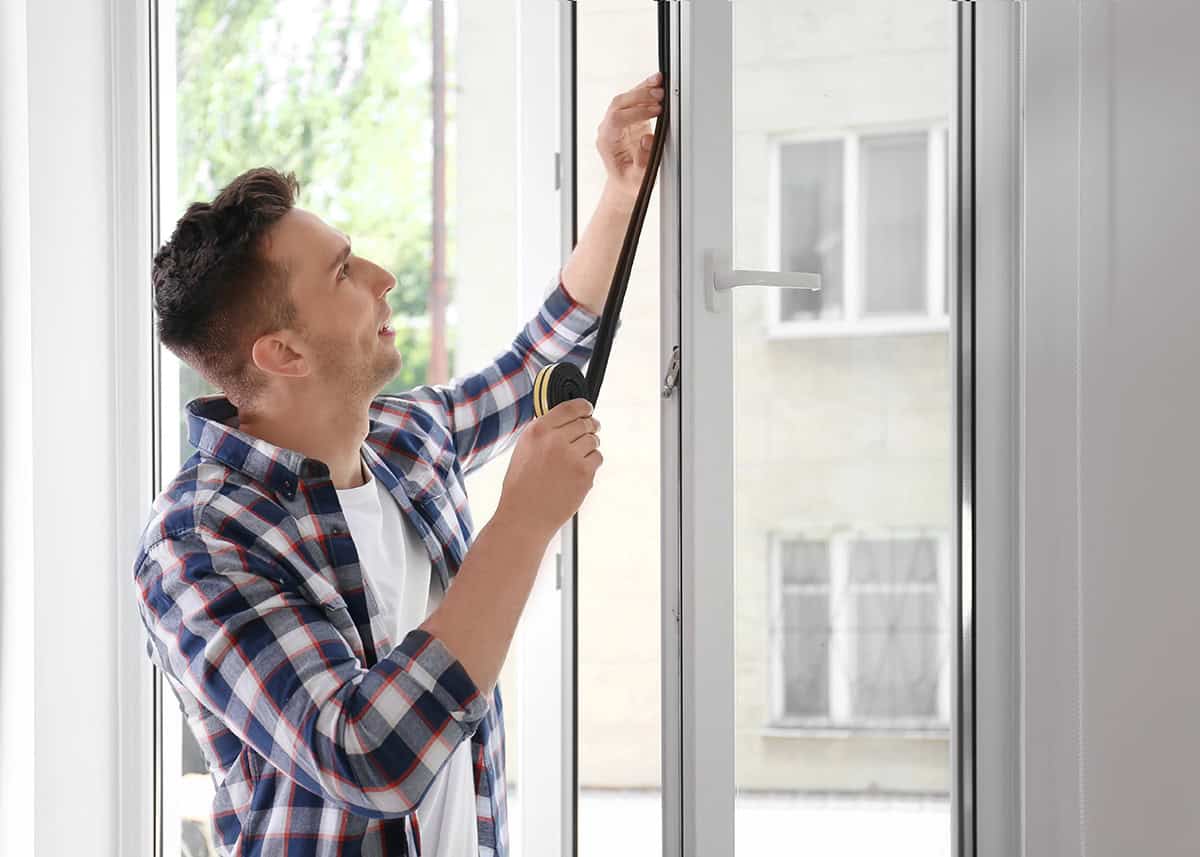
- Use weatherstripping around doors
- Caulk around windows to stop drafts
- Consider double-pane or triple-pane windows
- Add insulating curtains or shades
Small fixes here can make a big difference!
Basement
If you have a basement, don’t ignore it. A cold basement can make your whole house chilly.
Insulate:
- Basement walls
- The ceiling of an unheated basement
- Any pipes or ducts in the basement
This helps keep your whole house warmer.
Remember: It’s a System
Your home’s insulation works as a team. Each part helps the others. Missing one area can make the rest work harder.
That’s why it’s smart to check all these areas. You might be surprised where you’re losing heat!
In the next section, we’ll talk about air sealing. It’s insulation’s best friend in keeping your home comfy and efficient.
The Importance of Air Sealing
Imagine wearing a warm sweater on a windy day. If the wind can blow through it, you’ll still feel cold. That’s what happens in a house with air leaks. Even with good insulation, air leaks can make your home less comfy and waste energy.
What is Air Sealing?
Air sealing is all about closing up the tiny gaps where air sneaks in and out of your house. It’s like zipping up that sweater to keep the wind out!
Why Air Sealing Matters
Air sealing is super important. Here’s why:
- It saves energy. Less hot or cold air escaping means your heating and cooling systems don’t have to work as hard.
- It makes your home more comfortable. No more annoying drafts!
- It helps your insulation work better. Insulation can’t do its job if air is moving through it.
- It can improve air quality. Sealing keeps out dust, pollen, and bugs.
- It helps control moisture. This can prevent mold and protect your home’s structure.
In Dallas, where we run our AC a lot, good air sealing can really cut down on energy bills.
Common Air Leak Spots
Air can be sneaky! Here are some usual suspects:
- Around windows and doors
- Where walls meet the attic floor
- Around pipes and wires that go outside
- Electrical outlets on exterior walls
- Gaps around fireplaces
- Attic hatches or pull-down stairs
These small gaps add up. It’s like having a window open all year round!
How to Spot Air Leaks
Finding air leaks can be like playing detective. Here are some clues:
- Feel for drafts on a windy day.
- Look for cobwebs. Spiders like to build where air moves.
- Check for dirty spots in your insulation. This can show where air is moving.
- Shut a door or window on a piece of paper. If you can pull it out easily, you might have a leak.
For a thorough check, you can hire a pro to do a blower door test. This test finds even tiny leaks.
Sealing the Leaks
Once you find leaks, it’s time to seal them. Here’s how:
- Use caulk for small gaps around windows and pipes.
- Apply weatherstripping around doors and movable windows.
- Use foam sealant for bigger gaps, like around pipes in the attic.
- Install foam gaskets behind outlet covers on exterior walls.
Remember: Some air exchange is good for your home. Don’t seal up everything! Your home needs to breathe a little.
Air Sealing and Insulation: The Dynamic Duo
Air sealing and insulation work best together. They’re like peanut butter and jelly – good on their own, but amazing together!
First, seal the air leaks. Then add insulation. This one-two punch will make your Dallas home comfy and energy-efficient all year round.
In the next section, we’ll look at all the benefits you’ll get from a well-insulated, air-sealed home. Get ready to see how these improvements can really pay off!
Benefits of Proper Insulation
Now that you know about insulation and air sealing, let’s talk about why it’s all worth it. Good insulation isn’t just nice to have – it can really improve your life at home. Here are the big benefits:
Lower Energy Bills
This is the biggie. Good insulation keeps your heated or cooled air where it belongs – inside your home. Your HVAC system won’t have to work as hard. What does that mean? Lower energy bills!
In Dallas, where summers are hot and AC use is high, this can lead to big savings. Many homeowners see their energy bills drop by 15% or more after improving insulation.
More Comfort Year-Round
Tired of rooms that are too hot in summer or too cold in winter? Proper insulation can fix that. It helps keep your whole house at a steady, comfy temperature.
No more:
- Freezing floors in the morning
- Stuffy bedrooms on hot nights
- Cold drafts when you sit by the window
Just consistent comfort, all year long.
A Quieter Home
Insulation doesn’t just stop heat – it stops sound too. Good insulation can make your home much quieter.
This means:
- Less noise from outside
- Quieter rooms inside your house
- Better sleep and more peaceful living
It’s especially great if you live on a busy street or have noisy neighbors.
Better for the Environment
Using less energy isn’t just good for your wallet – it’s good for the planet too. When your home is well-insulated:
- You use less electricity and gas
- This means less pollution from power plants
- Your carbon footprint gets smaller
It’s an easy way to go green without changing your lifestyle.
Protects Your Home
Good insulation can actually help your house last longer. How? It prevents moisture problems.
When insulation is done right, it:
- Keeps moisture from building up in walls
- Prevents mold growth
- Protects wood from rot
This can save you from expensive repairs down the road.
Increases Home Value
A well-insulated home is worth more. If you ever want to sell your house, good insulation is a big plus. It shows that the home is energy-efficient and well-maintained.
Improves Indoor Air Quality
With less air leaking in from outside, you have more control over your indoor air. This means:
- Less dust and pollen getting in
- Better functioning air filters
- A healthier home environment
This is especially important for people with allergies or asthma.
Reduces Strain on HVAC Systems
When your home holds temperature better, your heating and cooling systems don’t have to work as hard. This means:
- Your HVAC system lasts longer
- You have fewer repairs
- You save money on maintenance
It’s like giving your AC and heater a well-deserved break!
The Bottom Line
Proper insulation is a win-win-win. You save money, you’re more comfortable, and you help the environment. It’s one of the best investments you can make in your Dallas home.
In the next section, we’ll look at how to tell if your home needs better insulation. You might be surprised at what you find!
Assessing Your Home’s Insulation Needs
How do you know if your home needs better insulation? You don’t need to be an expert to get a good idea. Here are some simple checks you can do yourself, plus tips on when to call in the pros.
DIY Inspection Tips
- The Touch Test Feel your walls, floors, and ceilings. Are they cold in winter or hot in summer? They shouldn’t be! If they are, you might need more insulation.
- Look in Your Attic Peek into your attic. Can you see the floor joists? If so, you need more insulation. The insulation should be level with or above the joists.
- Check Your Energy Bills Look at your energy bills. Are they higher than your neighbors’? High bills often mean poor insulation.
- Age Matters How old is your house? Homes built before 1980 often need more insulation. Building codes have changed a lot since then!
- The Ice Dam Test In winter, do you get ice dams on your roof? This happens when heat escapes through your attic, melting snow on the roof. It’s a sure sign you need better insulation.
- The Melt Test After a light snow, look at your roof. Do you see patches where snow has melted faster? Those spots might need more insulation.
- Listen Up Is your house noisy? Good insulation muffles outside sounds. If you can hear everything, you might need an insulation upgrade.
Signs You Need More Insulation
Watch out for these red flags:
- Drafty rooms
- Hot or cold spots in your house
- A super hot attic in summer
- Frozen pipes in winter
- Lots of bugs getting in (they sneak through the same gaps as air)
- Floors that are too cold in winter
If you notice any of these, it’s time to think about improving your insulation.
When to Call a Pro
Sometimes, you need an expert eye. Consider a professional energy audit if:
- Your DIY checks show problems
- You’re planning a big renovation
- Your energy bills keep going up
- You’re always adjusting the thermostat
- You want to be sure you’re not missing anything
What a Professional Energy Audit Includes
A pro will do a thorough check of your home. They’ll use special tools like:
- Blower door tests to find air leaks
- Infrared cameras to spot where heat is escaping
- Moisture meters to check for dampness in walls
They’ll give you a detailed report. This report will show exactly where you need more insulation and air sealing.
The Next Step
Once you know where you need insulation, it’s time to make a plan. In the next section, we’ll talk about how to choose between DIY insulation projects and hiring a pro. We’ll help you figure out what’s best for your Dallas home and your budget.
Remember, every home is different. What works for your neighbor might not be right for you. But with a good assessment, you’ll know exactly what your home needs to stay comfy and efficient all year round.
DIY vs. Professional Insulation Installation
So, you’ve figured out your home needs better insulation. Now comes the big question: Should you do it yourself or hire a pro? Let’s break it down.
When DIY Makes Sense
Sometimes, you can tackle insulation yourself. DIY might be a good choice if:
- You’re handy with home projects.
- The job is simple, like adding insulation to an open attic.
- You have the right tools and safety gear.
- You’re working with easy-to-handle materials like fiberglass batts.
- You’re on a tight budget and have time to do the work.
DIY can save you money on labor costs. Plus, it can be satisfying to improve your home with your own hands!
DIY Insulation Tips
If you decide to go DIY, keep these things in mind:
- Safety first! Wear a mask, gloves, and protective clothing.
- Buy the right R-value for your area. In Dallas, you need R30 to R60 for attics.
- Don’t compress the insulation. It won’t work as well if it’s squished.
- Leave gaps around things that get hot, like chimneys or recessed lights.
- If you’re not sure, ask for help. Many hardware stores offer advice.
When to Hire a Professional
Some insulation jobs are best left to the experts. Consider hiring a pro if:
- You’re insulating walls. This often requires special equipment.
- You’re using spray foam insulation. It’s tricky to apply correctly.
- You’ve found moisture problems. A pro can fix these before insulating.
- Your home is very old. It might have asbestos or other hazards.
- You’re not comfortable working in tight spaces like attics or crawl spaces.
- You want to be sure the job is done right the first time.
Pros have the tools, knowledge, and experience to handle complex jobs safely and effectively.
Benefits of Hiring a Professional
Choosing a pro comes with perks:
- They know local codes and requirements.
- They can spot and fix problems you might miss.
- They work quickly and efficiently.
- Many offer warranties on their work.
- They clean up when the job is done.
Yes, it costs more upfront. But it can save you money in the long run if the job is done right.
How to Choose a Good Insulation Contractor
If you decide to hire a pro, here’s how to find a good one:
- Get multiple quotes. Three is a good number.
- Check for licenses and insurance.
- Ask for references and check them.
- Look for experienced contractors who know Dallas weather.
- Make sure they offer a warranty on their work.
- Choose someone who explains things clearly and answers your questions.
Remember, the cheapest quote isn’t always the best choice. Look for value and quality.
The Middle Ground: Partial DIY
Sometimes, you can do a mix of DIY and professional work. For example:
- You might add batts to your attic yourself.
- Then hire a pro to insulate your walls.
This can be a good way to save money while still getting expert help where you need it most.
Making Your Decision
Think about your skills, time, and budget. There’s no shame in calling a pro if you’re not sure. After all, good insulation is an investment in your home.
In the next section, we’ll talk about costs. You’ll learn what to expect for different types of insulation jobs, whether you DIY or hire a pro. This will help you budget for your insulation project.
Cost Considerations and ROI for Insulation Projects
Let’s talk money. How much does insulation cost? And is it worth it? We’ll break down the costs and potential savings for different insulation projects in Dallas.
Factors That Affect Insulation Costs
Several things can change how much you’ll pay:
- Type of insulation (fiberglass, cellulose, spray foam, etc.)
- R-value needed
- Size of the area to be insulated
- Ease of access (attic is usually easier than walls)
- Whether you DIY or hire a pro
- Any repairs needed before insulating
Remember, cheaper isn’t always better. Good insulation pays for itself over time.
Average Costs for Different Insulation Types
Here’s a rough guide to insulation costs in Dallas:
- Fiberglass Batts: $0.64 – $1.19 per square foot
- DIY friendly
- Good for attics and new construction
- Blown-in Fiberglass: $1.00 – $1.50 per square foot
- Needs special equipment
- Great for topping up existing insulation
- Cellulose: $1.20 – $2.00 per square foot
- Eco-friendly option
- Good for attics and existing walls
- Spray Foam: $1.50 – $3.50 per square foot
- Most expensive option
- Best air sealing and R-value per inch
These are just estimates. Get a few quotes for exact pricing.
Cost of Insulating Different Areas
Costs vary depending on where you’re insulating:
- Attic: $1,500 – $3,500 for an average home
- Walls: $2,000 – $4,000 for an average home
- Crawl Space: $1,500 – $2,500
Adding insulation to walls is usually pricier because it’s trickier to do.
DIY vs. Professional Costs
DIY can save you money on labor. But remember:
- You’ll need to buy or rent tools
- It might take you longer
- Mistakes can be costly to fix
Professional installation costs more upfront. But it comes with:
- Guaranteed results
- Faster completion
- Often, a warranty
Return on Investment (ROI)
Here’s the good news: insulation often pays for itself! How?
- Lower energy bills: You could save 15% or more each year
- Increased home value: Energy-efficient homes sell for more
- Rebates and tax credits: Check for local and federal incentives
Most homeowners recoup their insulation costs within 3-5 years. After that, it’s all savings!
Example Savings
Let’s say your energy bill is $200 per month. If insulation saves you 15%, that’s $30 a month or $360 a year. If your project cost $1,800, you’d break even in 5 years. Then you keep saving year after year!
Hidden Savings
Don’t forget the non-money benefits:
- More comfortable home
- Less wear on your HVAC system
- Quieter indoor environment
These are harder to put a price on, but they’re valuable too.
Maximizing Your ROI
To get the best bang for your buck:
- Start with air sealing. It’s cheap and effective.
- Insulate your attic first. It’s usually the easiest and most impactful.
- Look for rebates and tax credits before you start.
- Get multiple quotes if hiring a pro.
- Consider long-term savings, not just upfront costs.
Planning Your Budget
When budgeting for insulation:
- Decide which areas need work first.
- Get estimates for materials if going DIY.
- Get professional quotes if hiring out.
- Add a 10-15% buffer for unexpected costs.
- Look into financing options if needed.
Remember, insulation is an investment in your home. It costs money now, but saves money for years to come.
In the next section, we’ll talk about maintaining your insulation. You’ll learn how to keep your insulation working well for years to come.
Maintenance and Long-term Considerations for Home Insulation
Great insulation isn’t a one-and-done deal. To keep your home cozy and efficient for years to come, you need to think long-term. Let’s talk about how to maintain your insulation and what to watch out for over time.
How Long Does Insulation Last?
Good news! Most insulation lasts a long time. But it doesn’t last forever. Here’s a quick guide:
- Fiberglass and cellulose: 20-30 years
- Spray foam: 80-100 years
- Mineral wool: 30-80 years
But these are just estimates. How long your insulation lasts depends on many factors.
Factors That Affect Insulation Lifespan
Your insulation might not last as long if:
- It gets wet. Water is insulation’s worst enemy.
- Pests get into it. Mice and insects can damage insulation.
- It’s compressed. Squished insulation doesn’t work well.
- Your home settles. This can create gaps in the insulation.
- It wasn’t installed right in the first place.
Signs Your Insulation Needs Attention
Watch out for these red flags:
- Your energy bills are going up
- Some rooms are much colder or hotter than others
- You feel drafts
- There’s moisture or mold in your attic
- You can see the insulation settling or falling away
If you notice these signs, it’s time to check your insulation.
Regular Insulation Maintenance
Here’s how to keep your insulation in top shape:
- Annual Visual Checks Look for signs of damage, especially in the attic. Use a flashlight and look for wet spots, mold, or areas where insulation has fallen away.
- Keep It Dry Fix roof leaks and plumbing issues right away. Wet insulation is bad insulation.
- Mind the Gaps If you see gaps forming, fill them in. Small gaps can make a big difference.
- Watch for Pests If you see signs of pests, deal with them quickly. They can ruin your insulation.
- Maintain Proper Ventilation Good airflow in your attic helps keep insulation dry and effective.
When to Add More Insulation
Sometimes, you need to top up your insulation. Consider adding more if:
- Your home is more than 10 years old
- You can see the floor joists in your attic
- Your energy bills keep rising
- You’ve recently added on to your home
Adding insulation is often easier and cheaper than replacing it all.
Professional Inspections
Every 5-10 years, consider having a pro check your insulation. They can:
- Spot problems you might miss
- Test the R-value of your existing insulation
- Recommend upgrades if needed
- Check for air leaks you can’t see
Think of it like a check-up for your home.
Upgrading Your Insulation
As technology improves, so does insulation. When it’s time to replace or add insulation, consider:
- Newer materials with better R-values
- More eco-friendly options
- Improved air sealing techniques
What was top-of-the-line 20 years ago might be outdated now.
Insulation and Home Renovations
Planning a big home project? That’s a great time to check your insulation. You might be able to:
- Add insulation to walls while they’re open
- Upgrade attic insulation while doing roof work
- Improve floor insulation if you’re replacing flooring
Think of renovations as a chance to make your whole home more efficient.
The Long-term View
Remember, good insulation is a long-term investment. It might cost a bit now, but it pays off for decades. By maintaining your insulation and updating it when needed, you’re:
- Saving money on energy bills year after year
- Keeping your home comfortable through every season
- Protecting your home from moisture and temperature extremes
- Doing your part for the environment by using less energy
In Dallas’s climate, where we rely heavily on air conditioning, good insulation is especially important. It keeps your home cool in our hot summers and warm in those chilly winter nights.
Insulation Overview: Final Considerations
Let’s review the key points of our insulation journey:
- Quality insulation is crucial for home comfort and energy efficiency
- Different areas of your home may require different insulation types
- Combining proper insulation with air sealing maximizes effectiveness
- Regular maintenance ensures long-lasting insulation performance
- Investing in good insulation offers long-term savings and comfort
Why It Matters in Dallas
In our local climate, effective insulation:
- Protects against extreme summer heat and winter chills
- Significantly reduces energy bills
- Enhances year-round home comfort
Next Steps for Homeowners
- Assess your home for signs of inadequate insulation
- Consider scheduling a professional energy audit
- Address simple fixes like weatherstripping
- Plan for comprehensive insulation upgrades if needed
Ready to Improve Your Home’s Insulation?
Don’t let poor insulation compromise your comfort or inflate your energy bills. At Bolton Heating & Air, we’re here to help you create a more comfortable, energy-efficient home.
Take Action Today: Contact us for a consultation. Our experts will assess your home’s needs and provide tailored recommendations to maximize your comfort and savings.
Call (214) 909-7615 to schedule your consultation. Let’s make your Dallas home cozy and efficient all year round!