
When your air conditioner starts dripping water inside your home, you need answers fast. If left unchecked, AC water leaks can cause severe damage and lead to expensive repairs. Understanding why your AC leaks water helps you fix the issue quickly and prevent future problems.
How Your Air Conditioning System Creates Water
Your air conditioner doesn’t actually use water to cool your home. Instead, it works like a cold glass of water on a hot day. Just as water forms on the outside of that glass, condensation happens inside your AC unit. Your HVAC system pulls warm air from your room, and this humid air passes over a very cold evaporator coil. When warm air meets the cold coil, water condenses. The water droplets collect and need somewhere to go, which is where your drain system comes in. This process removes humidity from indoor air while cooling it, but when the drainage system fails, you’ll see water leaking from your air conditioner.
Common Causes of Air Conditioner Water Leakage
A clogged condensate drain line is the most common cause of an AC unit leaking water. Dirt and debris can block water flow, and when the line clogs, water backs up and overflows the drain pan. A dirty air filter is another frequent culprit. It restricts airflow through your system, and poor airflow can make the evaporator coil freeze. When the frozen coil melts, it produces too much water for the drain pan to handle.
Your drain pan catches water that drips from the coil, but it may rust or crack over time. A damaged drain pan can’t hold water properly, so water leaks out. Low refrigerant levels create another serious problem. When refrigerant runs low, your coil gets too cold and freezes. Once it melts, the large amount of water overwhelms your drainage system. A refrigerant leak needs immediate attention from an HVAC technician.
Improper installation can also cause persistent leaks. Water won’t drain properly if your unit is installed at the wrong angle. The AC unit needs to tilt slightly toward the drain. Poor installation leads to water pooling and eventual leaks that can cause significant water damage to your home.
Signs Your Air Conditioner Is Leaking Water
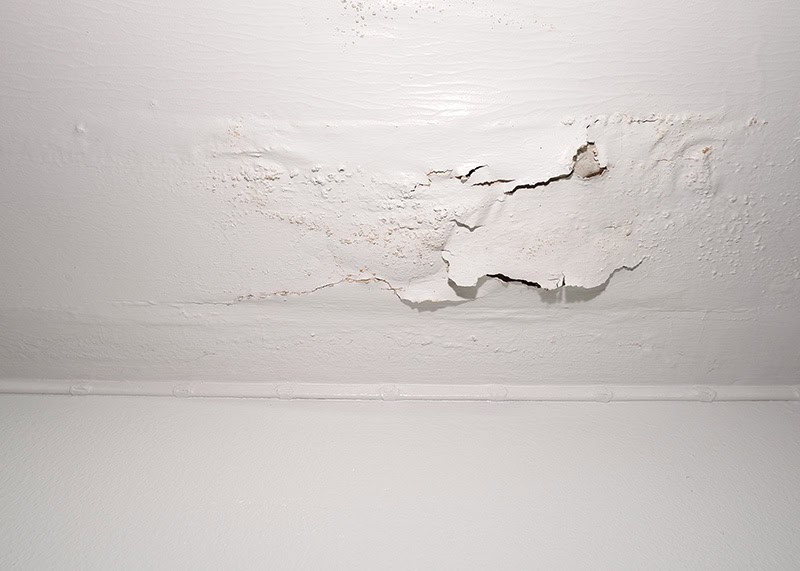
Watch for these warning signs of AC water leaks: water puddles near your indoor unit, dripping water from vents, water stains on walls or ceilings, musty smells from your AC system, higher humidity inside your home, and your AC constantly dripping water. Water damage from AC leaks can ruin floors, walls, and furniture. Act quickly when you notice any leakage to prevent extensive damage to your home.
How to Fix a Leaking AC Unit
Check your air filter first, as replacing a dirty air filter immediately often solves water problems and improves AC efficiency. To clear the condensate drain, turn off your AC and find the drain line outside the home. Use a wet/dry vacuum to remove clogs, then pour vinegar through the line to prevent future buildup. Inspect the drain pan for cracks or rust; small holes can cause significant leaks. Replace a damaged pan right away.
Ensure your AC unit sits level, as a tilted unit prevents proper drainage. Adjust the unit’s position if needed. However, some problems need expert help. Low refrigerant levels, refrigerant leaks, or complex repairs require a trained technician. Don’t wait if you suspect these issues, as delays can result in water damage throughout your home.
Preventing Future Water Leaks
Follow these maintenance tips to stop leaks before they start. Change your air filter every 1-3 months to maintain proper airflow. Clean the condensate drain line quarterly to prevent clogs. Schedule annual AC maintenance with a professional HVAC technician who can spot potential issues early. Keep the area around your outdoor unit clean and free from debris. Watch for early warning signs of trouble, as regular care prevents most water leakage problems.
When to Call for AC Repair
Contact an HVAC technician when water continues leaking after basic fixes, you find refrigerant leaks, the evaporator coil stays frozen, there’s significant water damage, or your AC stops cooling properly. Professional AC repair protects your home from water damage. Technicians can diagnose and fix complex issues quickly, saving you money in the long run.
Protect Your Home from AC Water Damage
A leaking air conditioner needs immediate attention. Water leaks inside the house can cause expensive damage that affects your home’s structure and value. Simple maintenance prevents most problems, but when leaks persist, professional AC repair saves money in the long run. Regular filter changes and drain cleaning keep your air conditioning system running smoothly. Stay alert for signs of water buildup, as quick action protects your home and keeps your family comfortable.
Remember that your air conditioner removes moisture from indoor air during regular operation. When that moisture can’t drain properly, leaks happen. Understanding your AC helps prevent water damage and costly repairs. The key is catching problems early before they escalate into major issues.
Get Professional AC Repair Help Today
Don’t let AC water leaks damage your home. If you’re experiencing an air conditioner leaking water inside your house or need expert AC repair services, Bolton Heating & Air is here to help. Our certified HVAC technicians can quickly diagnose and fix water leakage issues, from clogged drain lines to refrigerant leaks. We offer comprehensive AC maintenance plans to prevent future problems and keep your system running efficiently. Contact Bolton Heating & Air today for fast, reliable service that protects your home from water damage. Call us now at (214) 909-7615 to schedule your AC inspection and repair because every minute counts when it comes to water leaks.