

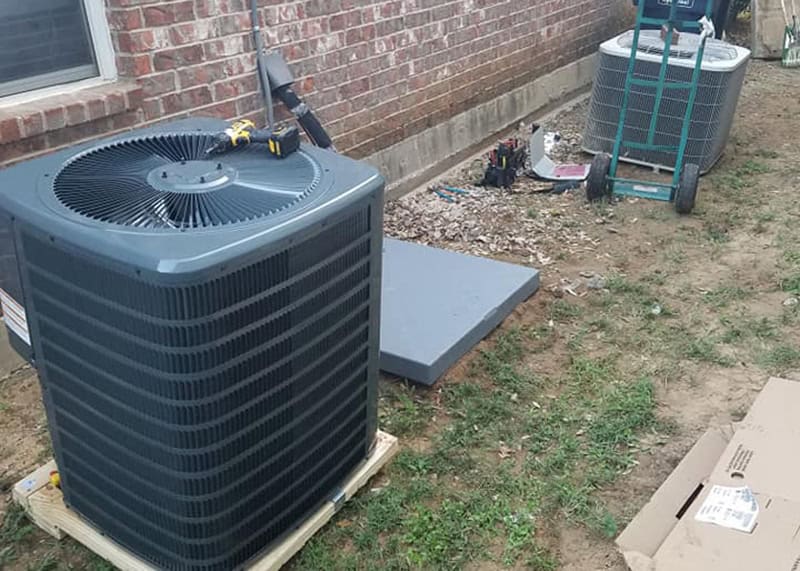
Deciding what to do with an aging HVAC system can be a major source of stress for any homeowner. Do you pay for another repair and hope for the best, or is it time to invest in a complete replacement? Especially here in the Dallas-Fort Worth area, where our air conditioners work overtime, making a smart, cost-effective, and energy-efficient choice is crucial for your comfort and your wallet. This guide is designed to introduce a simple industry guideline that can help you make a confident decision.
What Is the $5,000 AC Rule?
The $5,000 AC Rule is a straightforward calculation to help you determine whether it’s more sensible to repair or replace your unit. The formula is simple: multiply the age of your HVAC system in years by the estimated cost of the repair. If the total exceeds $5,000, replacement is generally the more financially sound option.
Age of System (Years) × Repair Cost ($) = Decision Factor
If this number is over $5,000, it’s time to seriously consider a new system. Think of this rule as a practical guideline, not an ironclad law. It provides a data-driven starting point to help homeowners move beyond guesswork and make an informed choice.
Why This Rule Is Essential in the DFW Metroplex
The Dallas-Fort Worth climate presents a unique set of challenges for any cooling system. Our summers are notoriously long and intensely hot, forcing HVAC units to run almost constantly. This high level of usage naturally leads to more rapid wear and tear compared to systems in milder climates.
While air conditioners in Texas are built to last, their typical lifespan is about 12 to 15 years. Furnaces can often last longer, sometimes up to 20 or 30 years. However, the punishing local conditions can shorten these lifespans. The $5,000 Rule helps you assess when your system is reaching the point of diminishing returns, where repeated repairs are no longer a wise investment.
Applying the $5,000 Rule: A Real-World Example
Let’s see how this calculation works in practice.
- Scenario 1: Repair May Be Justified Your air conditioner is 12 years old, and you receive a repair estimate for $400.
- 12 years × $400 = $4,800
- Since this total is just under the $5,000 threshold, investing in the repair could be a reasonable decision.
- Scenario 2: Replacement Is Likely the Better Option Your air conditioner is 15 years old, and it also requires a $400 repair.
- 15 years × $400 = $6,000
- This figure is well over the $5,000 mark, strongly suggesting that putting more money into an aging unit is not the best use of your funds. A new system would be a more reliable long-term investment.
The True Cost of Repairs vs. Replacement
While a single repair might seem affordable, the costs can quickly accumulate. HVAC repair bills can range from $130 to over $2,000, though most homeowners in DFW find themselves paying between $350 and $500 for a typical fix. In contrast, replacing a standard central AC system in a 2,000-square-foot home in our area generally costs between $3,800 and $4,500.
As a system gets older, the frequency and cost of these repairs often increase. What starts as a minor fix one year can become a major component failure the next. These escalating costs, combined with the declining efficiency of an older unit, mean you’re paying more for less comfort.
Benefits of Upgrading to a New HVAC System
Investing in a new HVAC system offers far more than just avoiding the next repair bill. The advantages impact your comfort, health, and finances.
- Energy Efficiency: A modern, high-efficiency system can slash your cooling and heating costs by a remarkable 20–40%. In a DFW summer, those savings add up quickly.
- Improved Comfort: Today’s HVAC systems provide superior temperature control and humidity management, eliminating hot spots and creating a more consistently comfortable environment throughout your home.
- Better Air Quality: Advanced filtration technologies built into newer units are significantly better at capturing dust, pollen, pet dander, and other airborne pollutants. This is a crucial benefit for improving indoor air quality, especially in older homes.
- Lower Maintenance: A new system is reliable. It requires fewer repairs and less frequent service, giving you peace of mind and predictable expenses.
- Smart Home Integration: Many new HVAC units are compatible with smart thermostats and home automation systems, allowing you to control your home’s climate from your phone for ultimate convenience and additional energy savings.
Signs It’s Time to Replace Your HVAC
Not sure if you should even be considering the $5,000 rule yet? Here are some clear indicators that your system is nearing the end of its effective life:
- Frequent Breakdowns: You’re calling for service more than twice a year.
- Rising Energy Bills: Your utility costs are climbing even though your usage habits haven’t changed.
- Inconsistent Temperatures: Some rooms are too hot while others are too cold.
- Advanced Age: Your AC is over 12 years old, or your furnace is past the 20-year mark.
- Outdated Technology: Your system uses R-22 refrigerant (which is being phased out) or replacement parts are becoming difficult to find.
Factors That Affect Your Decision
The $5,000 Rule is an excellent guide, but other factors should influence your final choice. Consider your system’s maintenance history—a well-cared-for unit may last longer. The condition of your home’s insulation and ductwork also plays a significant role in overall efficiency. Finally, your personal comfort preferences and how long you plan to stay in your home are key considerations.
Secure Your Comfort and Maximize Your Investment
Whether you decide to repair or replace, you can get the most value from your HVAC system by following a few best practices. Always schedule regular, professional maintenance to extend its life and maintain efficiency. When it’s time to upgrade, look for high-SEER (Seasonal Energy Efficiency Ratio) models that may qualify for local utility rebates or federal tax incentives. Most importantly, partner with a trusted, local HVAC company that will provide an honest, thorough assessment and perform a high-quality installation.
Your Next Step to a More Comfortable Home
Making the right decision about your HVAC system is crucial for your family’s comfort and financial well-being. By using the $5,000 AC Rule, you can evaluate your situation logically and determine the most cost-effective path forward. If you’re facing frequent repairs, rising energy bills, or simply want to know where your system stands, it’s time to get a professional opinion.
Ready for an expert, no-pressure evaluation of your HVAC system? Contact Bolton Heating & Air today to schedule your consultation and receive a personalized quote. Let our experienced technicians help you find the perfect solution for your DFW home.